


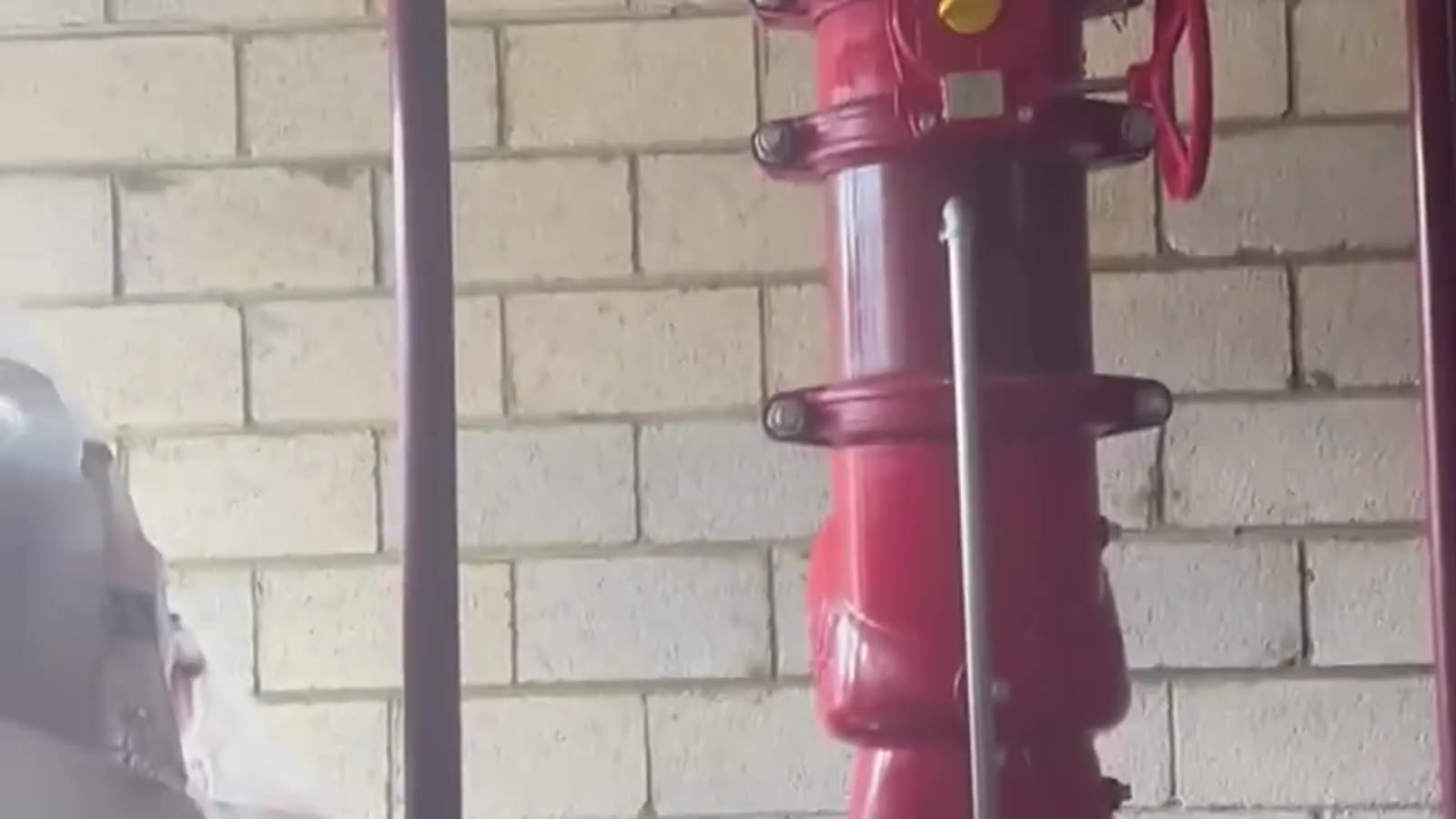
Sprinkler systems for cancer treatment centres
A new bunker or scanner going in, a refurbishment of a day unit, or an estates team that needs one contractor who understands every room in the building.
- ISO 9001 and LPCB approved, the certification insurers look for
- BS EN 12845 · HTM 05-02
- Free survey, fixed price in writing, no travel charge
What is different about cancer treatment centres
A cancer treatment centre carries the same Ordinary Hazard Group 1 classification that Annex A of BS EN 12845 gives any hospital, and on fire load alone it would be an unremarkable job. It is not, because three of its rooms each break a different assumption a sprinkler system normally relies on. It is a building type we are asked into more than most, and the rooms below are the reason it needs a contractor who has been inside one before.
-
MRI: nothing magnetic, and the shield stays whole
A scanner room is inside a radio frequency shield and next to a magnet that never switches off. Heads have to be non-magnetic, pipework non-ferrous, and every pipe crosses the shield through a waveguide penetration so the room stays sealed. A standard steel head in that room is a projectile and a fault on every scan, which is why this is not somewhere to send whoever is free.
-
Radiotherapy bunkers: routed through the maze, not the wall
A linear accelerator sits behind shielding measured in metres of concrete, entered through a maze. Services into a bunker are routed so they never open a straight line through the shielding, and sprinkler pipework is a service like any other. Anything that crosses into a bunker is designed with the radiation protection adviser, not added afterwards.
-
Aseptic pharmacy: a head that keeps the cleanroom a cleanroom
Chemotherapy is prepared in aseptic units that hold a cleanroom classification. A head in one has to be concealed or flush with a sealed plate, so it neither sheds particles nor breaks the room pressure, and maintenance there is planned around the unit's own cleaning and validation rather than around our visit schedule.
-
Patients who cannot be moved quickly
Day units full of patients mid-infusion, and immunocompromised people who should not be walked through a building at all. The strategy is horizontal evacuation into the next compartment, and suppression is part of what makes that safe. So isolation is planned zone by zone with the estates team, around clinics, with critical areas getting a plan of their own.
What we do for these buildings
- BS EN 12845 Sprinkler servicing The full BS EN 12845 routine, from the weekly gauge and alarm check to the annual service. Fire sprinkler servicing and maintenance
- BS EN 12845 and BS 9251 Design and installation New systems, extensions and upgrades, designed, installed and commissioned. Fire sprinkler system design and installation
- Any hour 24/7 emergency A leak, a failed pump or a discharged head, answered out of hours. Emergency sprinkler and riser repair
- BS EN 12845 Fire pumps Electric and diesel sets proved under flow, not just started and signed off. Fire pump servicing, testing and maintenance
Cancer treatment centres: questions
Can a sprinkler system go inside an MRI room?
Yes, with the right parts and the right route in. The heads are non-magnetic products made for scanner rooms, the pipework is non-ferrous, and the pipe crosses the room's radio frequency shield through a waveguide penetration so the shield stays sealed. Getting any of those wrong either puts ferrous metal next to a magnet that is always on, or opens the shield and puts noise on every image, so it is designed with the imaging team and the shielding supplier rather than around them.
Do radiotherapy bunkers have sprinklers?
It is a decision taken for each bunker as part of the fire strategy, rather than a yes or no for the building. What does not vary is the rule for anything that enters the room: services are routed so they never open a straight path through the shielding, which usually means following the maze rather than cutting through a wall. Any pipework into a bunker is agreed with the radiation protection adviser before it is drawn.
What standard does an NHS estates team hold the system to?
BS EN 12845 for the sprinkler system itself, and the Firecode suite for how fire safety fits into the healthcare building around it. HTM 05-02 covers fire safety in the design of healthcare premises, and it is the document an NHS estates team will reach for first. We work to both, and the record we leave is written so an authorising engineer can read it without translating it.
How do you work in a unit where patients are mid-treatment?
Around the clinic list, not through it. Non-intrusive checks happen before the unit opens. Anything that needs the system isolated is scheduled a zone at a time, kept to the minimum the work needs, and agreed in advance with the estates team and the unit, so everyone knows what the fire strategy is running on while that zone is down. Aseptic and imaging areas get their own plan because their constraints are their own.
Worth reading first
- Sprinklers Sprinkler servicing intervals under BS EN 12845 BS EN 12845 sets a weekly check the site can do itself, a quarterly flow switch and alarm test, and an annual service that includes the pump run under flow.
- Compliance What your insurer actually wants from a sprinkler system Insurers price a sprinkler system as risk mitigation only if they can trust it. LPCB approval of the contractor and an unbroken maintenance record are the two things that make it count.
- Compliance BS EN 12845, in plain English BS EN 12845 is the European standard for the design, installation and maintenance of fixed fire sprinkler systems in commercial and industrial buildings. It is the document that sets the weekly, monthly, quarterly, half-yearly and annual routines a UK sprinkler system has to be kept to.
The published documents behind this page
Every interval and threshold on this page comes from one of these. Links go to the publisher, not to a copy of the document.
- BS EN 12845Fixed firefighting systems. Automatic sprinkler systems. Design, installation and maintenance
The standard commercial and industrial sprinkler systems are designed, installed and maintained to. It sets the weekly, monthly, quarterly and annual routines.
BSI
- HTM 05-02Health Technical Memorandum 05-02: Firecode. Guidance in support of functional provisions (fire safety in the design of healthcare premises)
Part of the Firecode suite. How Part B of the Building Regulations is applied to hospitals and other healthcare buildings, including where suppression allows other provisions to be relaxed. Read alongside HTM 05-01 on management and HTM 05-03 on operational provisions.
NHS England
British Standards are copyright documents and most are bought rather than read free. We hold the ones we work to. If you need to know what one of them says about your building, ask us rather than buying it.
Approved, and audited on a schedule.
Two certifications, and the first one is the reason we could apply for the second. ISO 9001 is a precondition for LPCB approval, so this is a sequence rather than a collection.

ISO 9001:2015
Certified by BRE Global, accredited by UKAS
An audited quality management system. It means the way a job is planned, recorded and signed off is itself inspected by somebody independent, on a schedule.

LPCB approved
Loss Prevention Certification Board
The approval UK insurers look for on sprinkler work. A system installed by an LPCB approved contractor counts as genuine risk mitigation on your policy; one installed by anybody else may not.
Working to BS EN 12845, BS 9251 and BS 9990. If your insurer or fire risk assessor wants the certificates themselves, ring us and we will send them over.
Tell us the building. We will tell you what it is due.
No survey fee to find out where you stand. Describe the site and we will tell you which intervals apply and what the visit involves.