


Guides
The questions that come in on the phone, answered properly. Every one is written against the standard it is judged by, with the intervals and the figures stated rather than hinted at.
- 16guides
- 66questions answered
- 5standards referenced
- 0prices invented
-
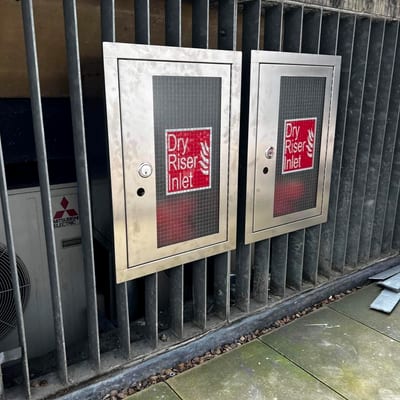
Dry riser testing: what BS 9990 actually requires
A dry riser needs a visual inspection every six months and a full pressure test every twelve months, charged to 12 bar and held for 15 minutes, with a certificate issued against BS 9990.
BS 9990 5 min read -
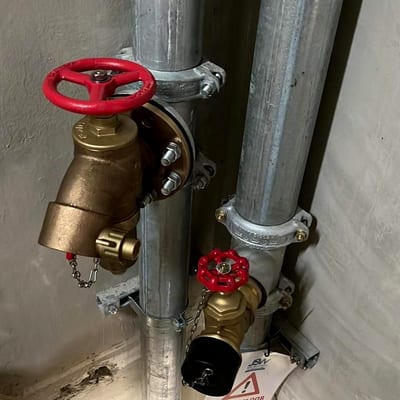
Wet riser or dry riser: which one is in your building?
A dry riser is an empty pipe charged by the fire brigade on arrival. A wet riser is permanently full of water, kept at pressure by its own pump set, and is used in taller buildings where the brigade cannot pump high enough from the ground.
BS 9990 5 min read -
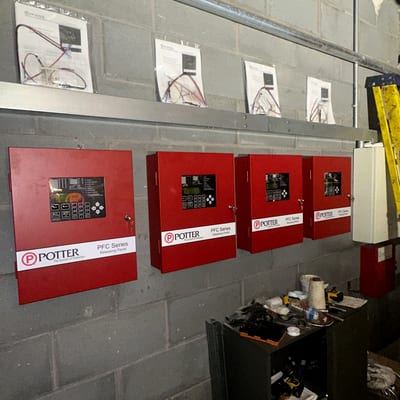
Sprinkler servicing intervals under BS EN 12845
BS EN 12845 sets a weekly check the site can do itself, a quarterly flow switch and alarm test, and an annual service that includes the pump run under flow.
BS EN 12845LPC Rules 5 min read -
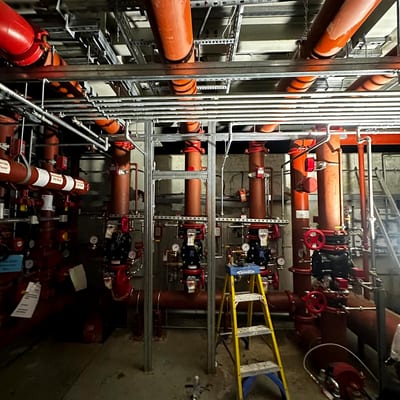
Fire pump testing: why starting it is not testing it
A start test proves the starter, the battery and the controller. Only a flow test proves the pump delivers its rated flow at its rated pressure, which is the only thing that matters in a fire.
BS EN 12845 5 min read -
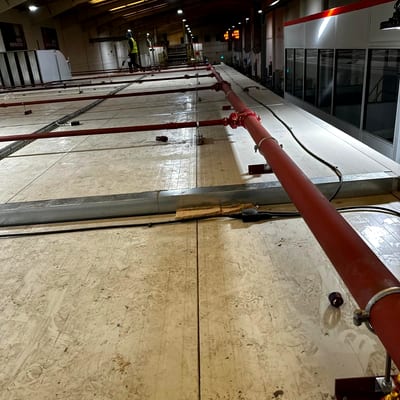
Sprinklers in blocks of flats: what the rules require
In England, new blocks of flats above 11 metres must have sprinklers fitted. Residential systems are designed and maintained to BS 9251, which is a different standard from the commercial BS EN 12845.
BS 9251BS EN 12845 5 min read -
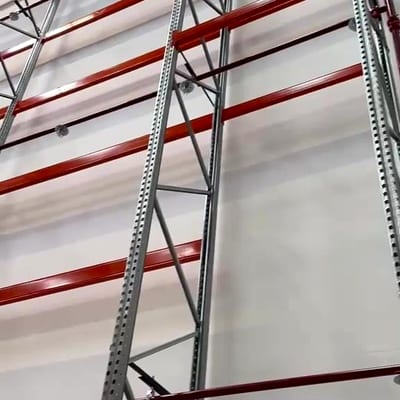
What your insurer actually wants from a sprinkler system
Insurers price a sprinkler system as risk mitigation only if they can trust it. LPCB approval of the contractor and an unbroken maintenance record are the two things that make it count.
LPC RulesBS EN 12845 5 min read -
What is a dry riser, and how does it work?
A dry riser is a normally empty vertical pipe in a building, with a breeching inlet at ground level and landing valves on the upper floors. The fire and rescue service charges it with water from a pump when they need to fight a fire above ground level.
BS 9990Approved Document B 6 min read -
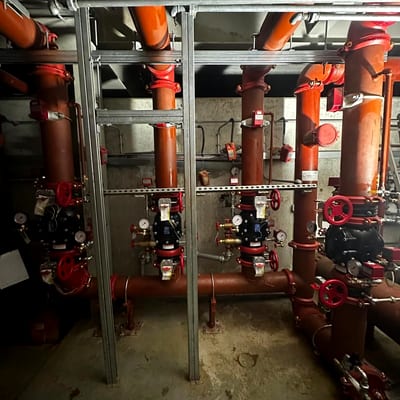
BS EN 12845, in plain English
BS EN 12845 is the European standard for the design, installation and maintenance of fixed fire sprinkler systems in commercial and industrial buildings. It is the document that sets the weekly, monthly, quarterly, half-yearly and annual routines a UK sprinkler system has to be kept to.
BS EN 12845BS 9251 4 min read -
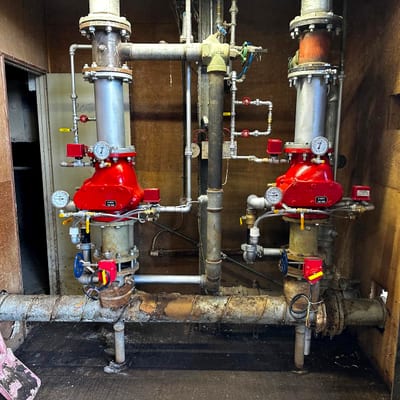
How a fire sprinkler system actually works
Each sprinkler head is held shut by a heat-sensitive glass bulb or fusible link, so only the heads directly over a fire open. The resulting flow drops the pressure in the pipework, which starts the pump and operates the alarm.
BS EN 12845BS 9251 5 min read -
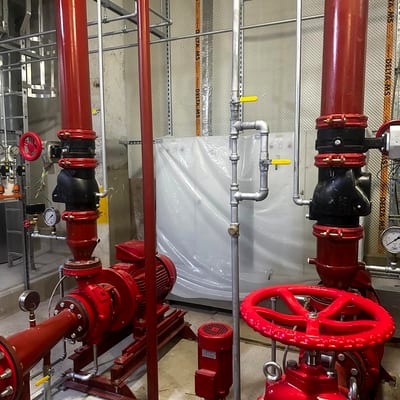
Fire pumps: electric, diesel, and what the jockey pump is for
A fire pump set develops the pressure and flow a sprinkler or wet riser system needs. It normally comprises a main pump driven by an electric motor or a diesel engine, plus a small jockey pump that holds the system at pressure so the main pump does not start on minor leakage.
BS EN 12845BS 9990 4 min read -
When does a UK building legally need sprinklers?
In England, new blocks of flats over 11 metres must have sprinklers, and Wales requires them in almost all new homes. Beyond those thresholds, sprinklers are required by building control, by the fire strategy, or by an insurer rather than by a single national rule.
Approved Document BBS 9251 5 min read -
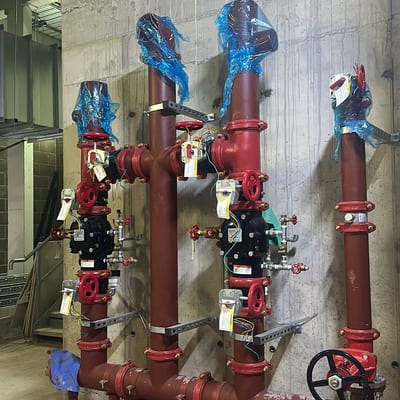
What actually drives the cost of sprinkler servicing
The cost of servicing a fire protection system is driven mainly by how much plant is on it: the number of control valve sets and pumps, and the height and number of the risers. Beyond that it depends on how hard the plant is to reach, the condition it is in, whether the work can be done in normal hours, and how many sites are on the contract.
BS EN 12845BS 9990 5 min read -
Sprinklers in warehouses: why racking changes everything
A warehouse sprinkler system is designed against a specific storage height, storage arrangement and commodity class. Raising the racking, changing what is stored or adding racking under a roof-only design can leave the system unable to control a fire it was never designed for.
BS EN 12845LPC Rules 4 min read -
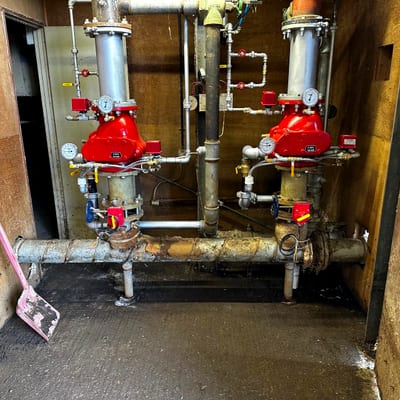
Sprinkler repairs: leaks, seized valves and damaged heads
Most sprinkler repairs are corroded pipework, seized or passing valves, impact-damaged heads and failed flow switches, and almost all of them need the affected section isolated, drained, repaired and recommissioned rather than tightened in place.
BS EN 12845BS 9251 4 min read -
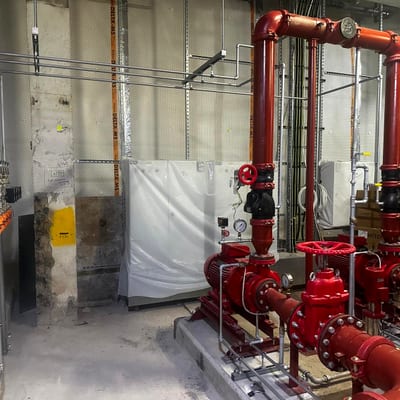
Choosing, or switching, a sprinkler maintenance contractor
Check the contractor holds LPCB approval and ISO 9001 for the work you are buying, and that their quotation names the standard and every interval it requires. When you are switching supplier, agree the handover of the logbook, certificates and as-fitted drawings before you serve notice.
BS EN 12845BS 9990 4 min read -
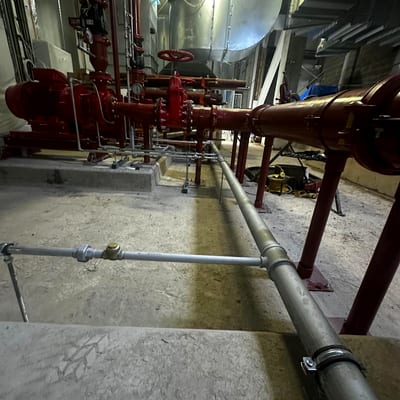
Sprinkler tanks: inspection, cleaning and when to replace
A sprinkler tank owes a weekly water level check and an annual internal inspection and clean under BS EN 12845. It is replaced rather than repaired when the steel has gone, when a sectional tank leaks faster than it can be patched, or when the building has changed enough to leave the tank too small for the density the system now has to deliver.
BS EN 12845 6 min read


Two reference pages, outside the guides
Every question these guides answer
66 of them. If yours is not here, ring 07927 555475 and we will answer it, and it will probably end up on this list.
- Risers How often does a dry riser need testing?
- Risers Is it the landlord or the tenant who has to pay for dry riser testing?
- Risers What happens if the riser fails the test?
- Risers Does a dry riser need water in it?
- Risers How do I tell which one my building has?
- Risers Why do taller buildings need a wet riser?
- Risers Is a wet riser more expensive to maintain?
- Risers Do both need the same annual pressure test?
- Sprinklers Can we do the weekly checks ourselves?
- Sprinklers What makes the quarterly test different from the weekly one?
- Sprinklers What is included in the annual service?
- Sprinklers Does a missed interval invalidate anything?
- Fire pumps How often should a fire pump be run?
- Fire pumps What is the difference between an electric and a diesel set?
- Fire pumps Can a pump pass a start test and still fail in a fire?
- Fire pumps Do we need to test the pump if the sprinkler system is on the town main?
- Compliance Does an existing block have to be retrofitted?
- Compliance Why BS 9251 and not BS EN 12845?
- Compliance Who is responsible for maintaining a residential system?
- Compliance Do residents need to do anything?
- Compliance What is LPCB approval?
- Compliance Does an unapproved installation still work?
- Compliance What does ISO 9001 have to do with it?
- Compliance What records get asked for at renewal?
- Risers Why is a dry riser empty rather than full of water?
- Risers What is the height at which a building needs one?
- Risers What is the difference between the inlet and the outlet?
- Risers What is the British Standard for dry risers?
- Risers Can a dry riser be painted over or boxed in?
- Compliance Is BS EN 12845 a legal requirement?
- Compliance What is the difference between BS EN 12845 and the LPC Rules?
- Compliance Does BS EN 12845 cover flats and houses?
- Compliance Where can I get a copy of the standard?
- Sprinklers Do all the sprinklers go off at once?
- Sprinklers Can a sprinkler head go off by accident?
- Sprinklers What sets the alarm off?
- Sprinklers Does the fire brigade turn it off when they arrive?
- Fire pumps Why is there a small pump next to the big one?
- Fire pumps Who decides whether a building gets an electric or a diesel pump?
- Fire pumps Our pump starts every week. Does that mean it is fine?
- Fire pumps How long does a pump need to run for?
- Compliance Does an existing building have to be retrofitted?
- Compliance Who decides, in practice?
- Compliance Is a warehouse legally required to have sprinklers?
- Compliance Our block is just under 11 metres. Does that settle it?
- Cost Which single factor changes the number most?
- Cost Is the cheapest quote usually cheaper?
- Cost Does a bigger building always cost more?
- Cost Why will nobody commit before surveying?
- Sprinklers We raised our racking by a metre. Does that matter?
- Sprinklers What is ESFR, and do we need it?
- Sprinklers Why do some warehouses have sprinklers inside the racking?
- Sprinklers Does changing what we store need anyone told?
- Sprinklers A sprinkler head is dripping. Can it just be tightened?
- Sprinklers Do you have to drain the whole building to repair one head?
- Sprinklers How long can a sprinkler system be out of service for a repair?
- Sprinklers Why does the same head keep operating accidentally?
- Compliance Are we tied to whoever installed the system?
- Compliance Will switching invalidate our insurance?
- Compliance What notice do we have to give?
- Compliance Should we get three quotes?
- Sprinklers How often does a sprinkler tank need inspecting?
- Sprinklers Can the tank be inspected without taking the system out of service?
- Sprinklers Our tank has never been cleaned. Is that a problem?
- Sprinklers What is an anti-vortex plate and why does it matter?
- Sprinklers How long should the tank take to refill?
The work these guides are about
- BS 9990 Dry risers Six-monthly inspection and the annual pressure test, with the certificate your fire risk assessment asks for.
- BS EN 12845 Sprinkler servicing The full BS EN 12845 routine, from the weekly gauge and alarm check to the annual service.
- BS EN 12845 Fire pumps Electric and diesel sets proved under flow, not just started and signed off.
- BS 9990 Wet risers Charged risers, their pumps and their tanks, tested together because they only work together.
The standards these are written against
- BS EN 12845 Fixed firefighting systems, automatic sprinkler systems
- The standard your commercial or industrial sprinkler system is designed, installed and maintained to. It sets the weekly, monthly, quarterly and annual routines.
- BS 9251 Fire sprinkler systems for domestic and residential occupancies
- The residential equivalent: blocks of flats, care homes, student accommodation and houses.
- BS 9990 Non-automatic fire-fighting systems in buildings
- Dry and wet risers. Six-monthly visual inspection, annual pressure test at 12 bar for 15 minutes.
- LPC Rules Loss Prevention Council Rules for Automatic Sprinkler Installations
- The insurer-facing ruleset that sits alongside BS EN 12845 for risk-rated premises.
- FM Approved FM Global approved equipment
- Where an insurer specifies FM Global, the sprinkler heads, valves and pipework used have to carry FM Approval. We work to that requirement and specify approved equipment for it.
- NFPA National Fire Protection Association standards
- The American standards, chiefly NFPA 13, that US-owned occupiers and their insurers often ask for alongside the British ones. We design and test to them where a client requires it.
These guides explain what the standards require. They are not a substitute for the standards themselves, and where your insurer or fire risk assessor has asked for something specific, ring 07927 555475 and we will tell you what applies to your building.
The guides are one part of the site. The full sitemap lists every page we publish, including the service pages, the standards and the towns.
Tell us the building. We will tell you what it is due.
No survey fee to find out where you stand. Describe the site and we will tell you which intervals apply and what the visit involves.