

The standards we work to
UK sprinkler systems are designed to BS EN 12845 in commercial and industrial buildings and BS 9251 in residential ones, with dry and wet risers under BS 9990. Insurers usually specify the LPC Rules version of BS EN 12845, and US-owned or FM-insured sites may be held to NFPA or FM instead.
Six rulesets, and what each one is
- BS EN 12845 Fixed firefighting systems, automatic sprinkler systems The standard your commercial or industrial sprinkler system is designed, installed and maintained to. It sets the weekly, monthly, quarterly and annual routines. Read the guide
- BS 9251 Fire sprinkler systems for domestic and residential occupancies The residential equivalent: blocks of flats, care homes, student accommodation and houses. What BS 9251 requires
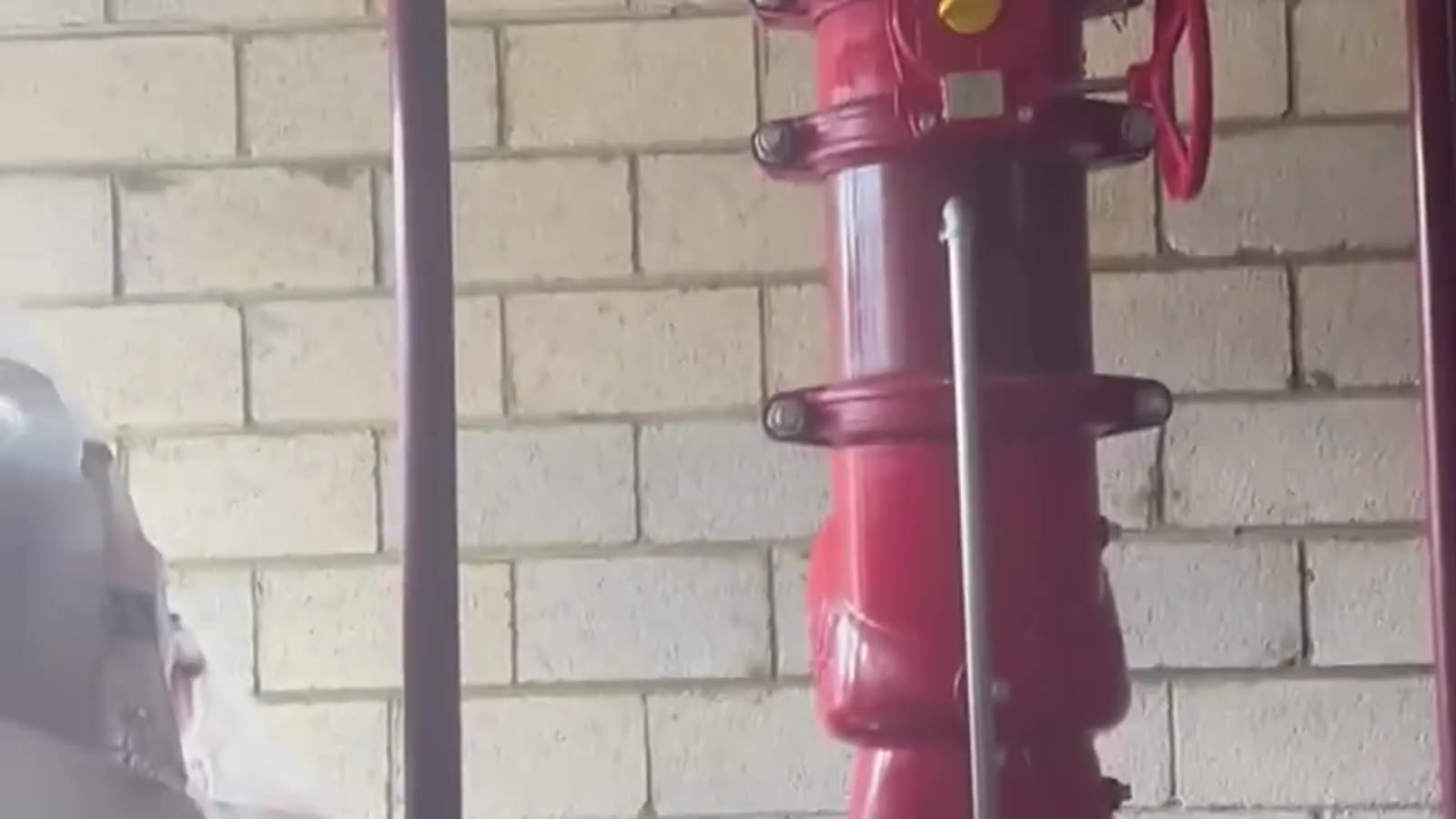
- BS 9990 Non-automatic fire-fighting systems in buildings Dry and wet risers. Six-monthly visual inspection, annual pressure test at 12 bar for 15 minutes. Read the guide
- LPC Rules Loss Prevention Council Rules for Automatic Sprinkler Installations The insurer-facing ruleset that sits alongside BS EN 12845 for risk-rated premises. What LPC Rules requires
- FM Approved FM Global approved equipment Where an insurer specifies FM Global, the sprinkler heads, valves and pipework used have to carry FM Approval. We work to that requirement and specify approved equipment for it. What FM Approved requires
- NFPA National Fire Protection Association standards The American standards, chiefly NFPA 13, that US-owned occupiers and their insurers often ask for alongside the British ones. We design and test to them where a client requires it. What NFPA requires
Which one applies to your building
| Building | Standard | Why |
|---|---|---|
| Warehouses, factories, distribution | BS EN 12845 and the LPC Rules | Commercial and industrial. Hazard classification drives the design, and the insurer usually specifies the LPC version. |
| Blocks of flats, care homes, student accommodation | BS 9251 | Residential. A life safety standard aimed at controlling a fire in the room of origin. |
| Offices, retail, hotels | BS EN 12845 | Commercial, normally at the lighter end of the hazard classifications. |
| Any building with dry or wet risers | BS 9990 | Risers are non-automatic firefighting systems and sit under their own standard, separately from the sprinklers. |
| US-owned sites and FM-insured premises | NFPA, or FM Global Data Sheets | Contractual rather than regulatory. It arrives through the insurer, not through Building Regulations. |
A mixed-use building frequently needs two of these at once, and the boundary between them is a design decision rather than a default.
Standards: questions
Which sprinkler standard applies to my building?
Broadly, commercial and industrial buildings are designed to BS EN 12845, usually in the LPC Rules version that insurers specify, and residential buildings to BS 9251. Dry and wet risers sit under BS 9990 whatever the building is. US-owned sites and FM-insured premises may be held to NFPA or FM Global Data Sheets instead. A mixed-use building commonly needs two of these at once, which is why the safest answer comes from a survey rather than from the building type alone.
Is a British Standard the law?
Not in itself. A British Standard is a published specification, and it becomes binding when something else points at it: Building Regulations and Approved Document B, a fire risk assessment, a planning condition, or your insurance policy. In practice, for most commercial buildings the binding constraint is the insurer rather than the legislation, and the insurer is usually the stricter of the two.
What is the difference between a standard and an approval?
A standard says how the system should be designed, installed and maintained. An approval says that a product or a company has been assessed by an independent third party. BS EN 12845 and BS 9251 are standards. FM Approved is a product approval belonging to equipment. LPCB certification is a third-party approval that can cover products and, separately, installers. They are different claims and worth keeping apart when you are reading a specification.
Our system was designed to an older edition. Is it now non-compliant?
Not automatically. Standards are generally not applied retrospectively, and a system designed and certificated to the edition current at the time is normally still a valid system. What changes the answer is a change to the building, a change of use or of stock, or a fire risk assessment that flags the system. Any of those is a good reason to have the design checked against the current edition.
Approved, and audited on a schedule.
Two certifications, and the first one is the reason we could apply for the second. ISO 9001 is a precondition for LPCB approval, so this is a sequence rather than a collection.
ISO 9001:2015
Certified by BRE Global, accredited by UKAS
An audited quality management system. It means the way a job is planned, recorded and signed off is itself inspected by somebody independent, on a schedule.
LPCB approved
Loss Prevention Certification Board
The approval UK insurers look for on sprinkler work. A system installed by an LPCB approved contractor counts as genuine risk mitigation on your policy; one installed by anybody else may not.
Working to BS EN 12845, BS 9251 and BS 9990. If your insurer or fire risk assessor wants the certificates themselves, ring us and we will send them over.
Tell us the building. We will tell you what it is due.
No survey fee to find out where you stand. Describe the site and we will tell you which intervals apply and what the visit involves.